
Tech in Bio Recap: Organoid Intelligence; AI Platforms; Biocomputing; and More...
Five astounding developments in 'tech + bio' space to know about


Welcome to this week’s issue of Where Tech Meets Bio!
If we talk about technological advances, this first half of 2023 has been a tsunami so far. I have a feeling everyone is somewhat overwhelmed by sudden rise of large language models (LLMs) and all the related technologies stemming out of them -- a remarkable new way of generating text/image/video/code/you name it. Probably, the majority of you are busy figuring out use cases in our daily lives and in business. I mean, LLMs are a long known, but the way they are now widely accessible and powerful — that is pretty unique, for sure.
But there are also quite remarkable technological advances happening in the field of biology research and drug discovery beyond LLMs. Yes, ChatGPT and LLMs in general are also making strides here too (here is a Linkedin post I wrote the other day about ChatGPT in drug discovery), but today’s post is not about LLMs. Instead, let's review five really astounding advances that push the boundaries of what is possible with biology using deep tech.
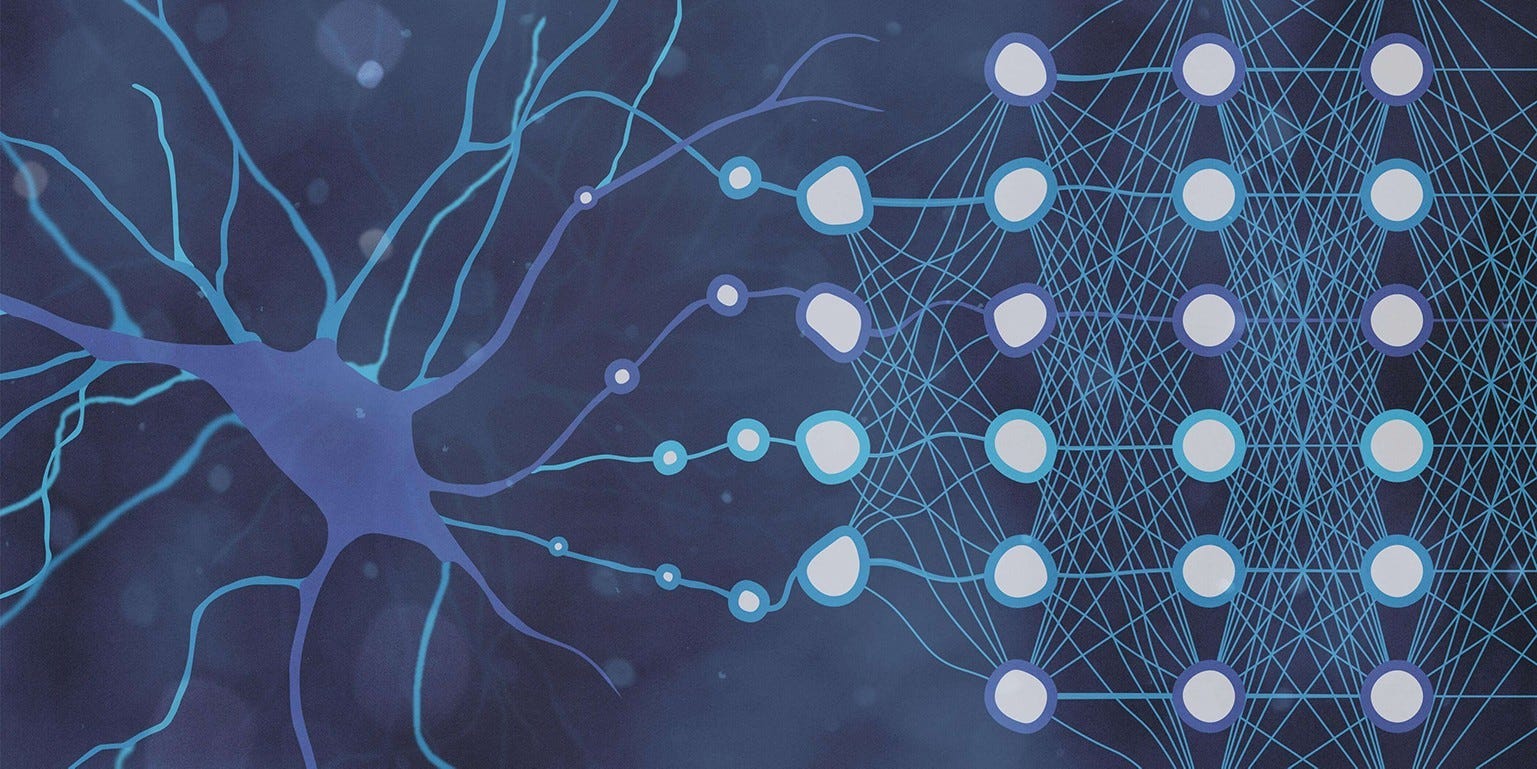
1. Are we entering the era of ‘organoid intelligence’?
Founded in 2019 by doctor-turned-entrepreneur Hon Weng Chong, Cortical Labs is carving out a niche in the rapidly evolving AI landscape, offering a unique alternative to digital AI systems.
This Australian biotech recently raised $10 million to expedite the development and commercialization of their biohybrid technology, DishBrain, an inventive blend of lab-grown human brain cells and computer chips.
The DishBrain system, according to the company, demonstrates the capacity to undertake goal-oriented tasks. The Melbourne-based startup has already showcased its biological computer chips' capability to learn and adapt, as demonstrated in an experiment where DishBrain successfully learned to play Atari's Pong video game.
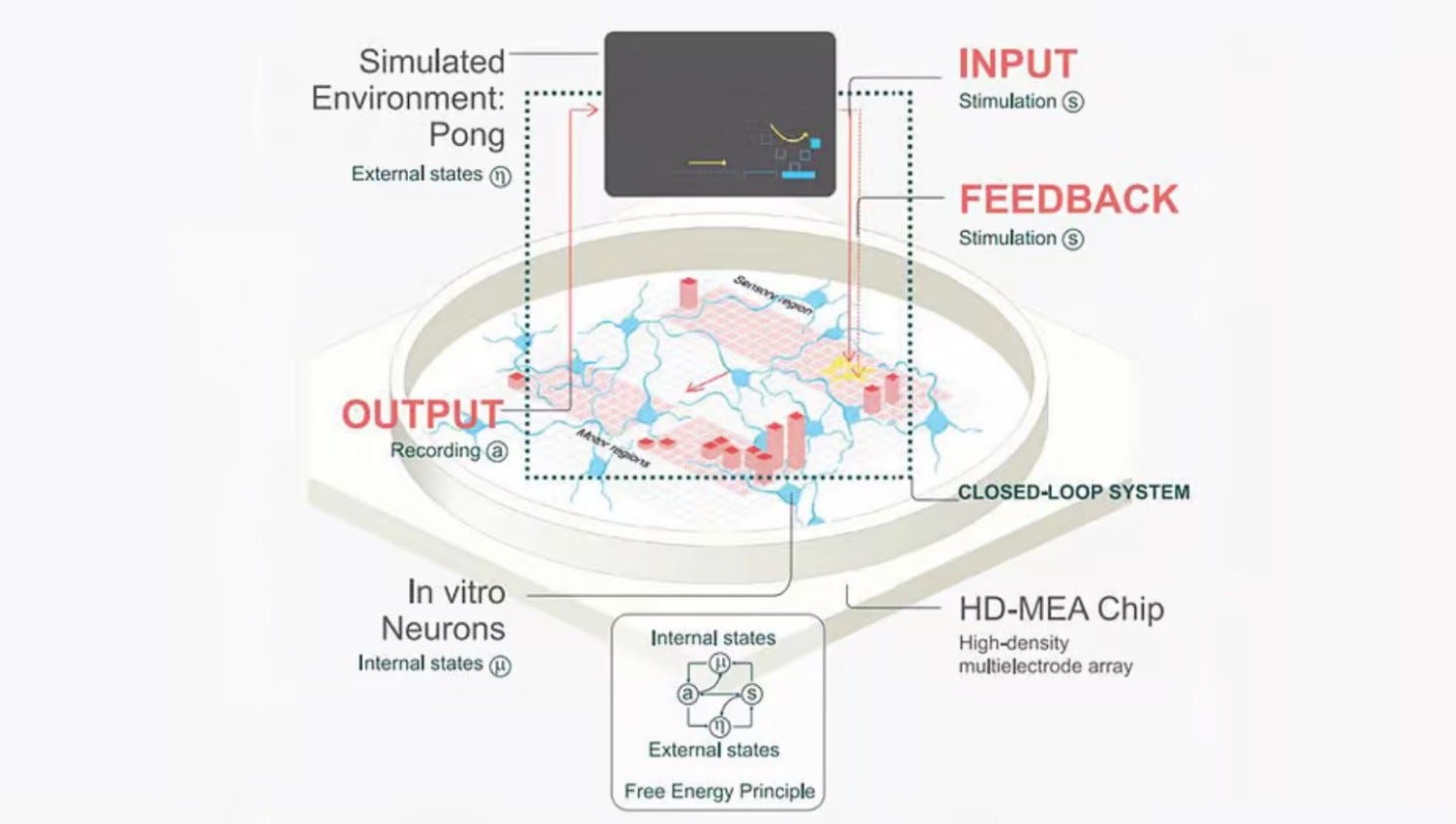
The technology works by growing human brain cells, derived from stem cells, on top of microelectrode arrays. The system is then connected to a computer, which transmits electrical signals corresponding to specific tasks or problems. The DishBrain interprets these signals, makes decisions, and improves its performance via the feedback received from the electrical signals.
Cortical Labs CEO Hon Weng Chong believes that the synergy of AI and synthetic biology offered by their technology can drive the future of AI, providing a more sustainable and powerful alternative to digital AI technologies. The company asserts that its biohybrid model is more energy-efficient and can learn and adapt at a faster pace.
Potential early adopters of this technology are pharmaceutical companies, who may utilize the biological computer chips in drug testing and development of new therapies. However, the innovative approach could also spark ethical debates, particularly around the potential development of consciousness.
2. AI-driven pharmaco-electroencephalography platform
This April, PsychoGenics, renowned for its AI-driven phenotypic drug discovery and preclinical CRO services, has announced the launch of eCube, a novel pharmaco-electroencephalography (pharmacoEEG) platform.
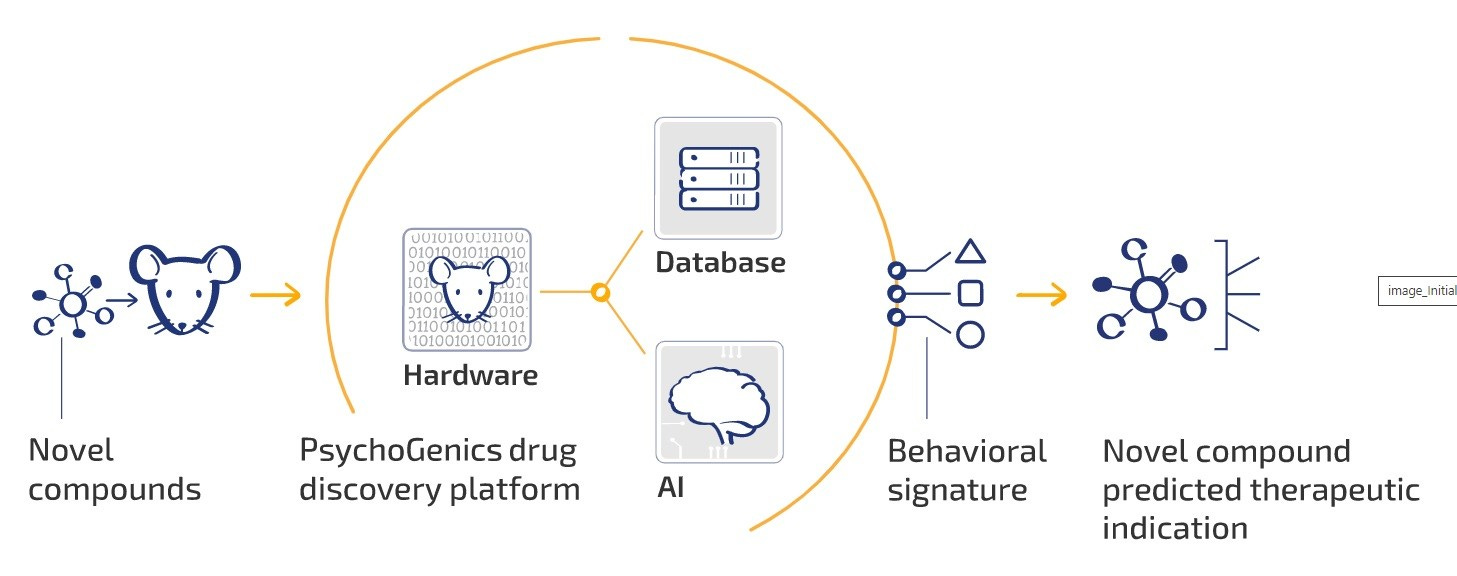
This innovative system leverages machine learning to identify compounds that can penetrate the central nervous system (CNS) and predict their therapeutic applications for neuropsychiatric disorders. Using EEG profiles of new compounds and an extensive pharmacoEEG database, eCube can discern drug-induced changes in EEG spectra and predict the efficacy of new compounds, shedding light on their primary therapeutic indications and mechanisms of action.
In addition, the platform provides translational biomarkers, a vital tool for evaluating CNS activity, especially for compounds with complex or unknown mechanisms.
3. AI designs anti-aging drugs
A recent publication in Nature Aging details an impressive collaboration between Integrated Biosciences, MIT, and the Broad Institute of MIT and Harvard, leveraging artificial intelligence to discover novel senolytic compounds—molecules known for their potential in suppressing age-related processes. The team utilized AI to screen over 800,000 compounds, pinpointing three drug candidates with superior medicinal chemistry properties than current senolytics under study.
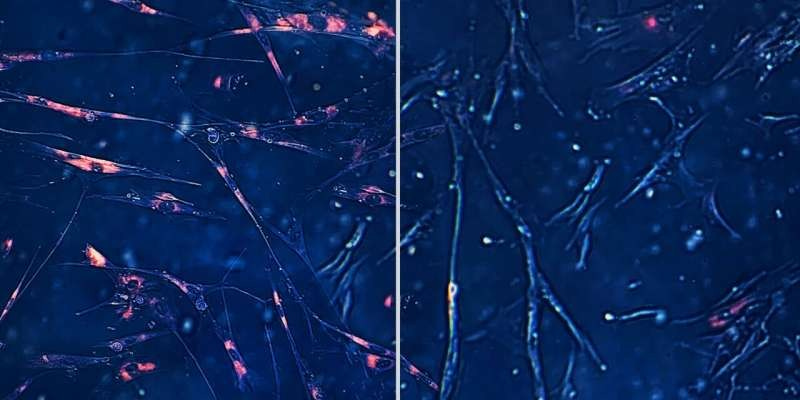
Senolytics are unique substances known for their ability to seek out and induce a process called apoptosis in senescent cells - cells that have stopped their dividing process. This is important because these non-dividing cells are a key part of aging (in fact, senescent cells are one of the Hallmarks of Aging) and have been linked to a number of diseases that become more common as we age, including cancer, diabetes, heart disease, and Alzheimer's disease.
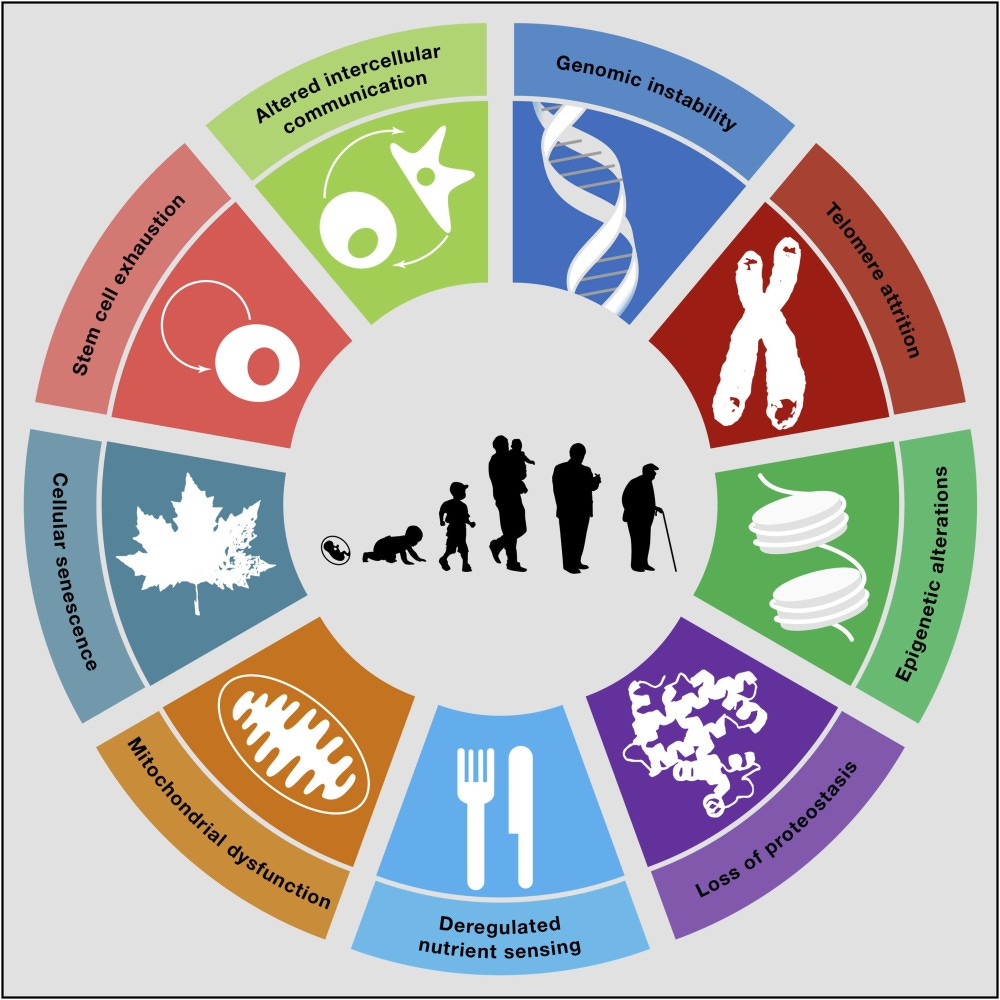
Despite the potential of senolytics, their development and use haven't been smooth sailing. Many of the senolytic compounds discovered so far have been held back by two main problems: poor bioavailability, meaning the body struggles to effectively use the compounds, and a range of unwanted side effects.
Founded in 2022, Integrated Biosciences aims at tackling this challenge using AI technology.
4. AI learns to read thoughts (kind of)
One of the main goals in neuroscience is to understand how our actions and thoughts are connected to the activity of brain cells. As we gather more information about brain cell activity and behavior, scientists are looking for new ways to study the brain's inner workings during different tasks and experiences.
Researchers from Swiss Federal Institute of Technology (EPFL) have recently developed a new method called CEBRA to help with this challenge. This technique uses information about both behavior and brain cell activity to learn more about the brain's processes.
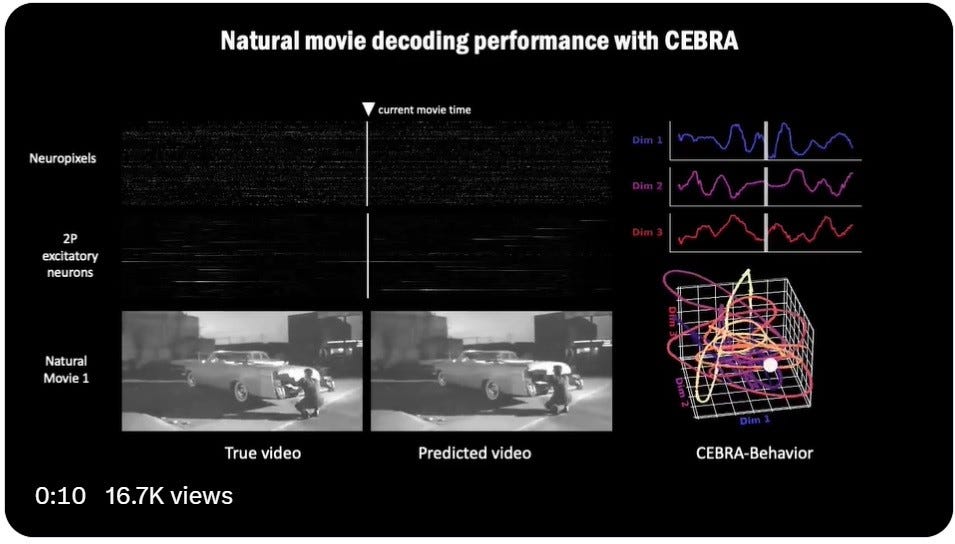
The scientists have shown that CEBRA works well for understanding important differences in brain cell activity and can be used to decode this activity. They have tested it on different types of data, like calcium and electrical recordings from brain cells, and used it to study various tasks and behaviors in different animals.
Understandable, we are in very early days of though-reading. But who knows in what anti-utopean scenerio it all may lead us in, say, 20 years. What do you think?
5. Advancing cell-free biocomputing
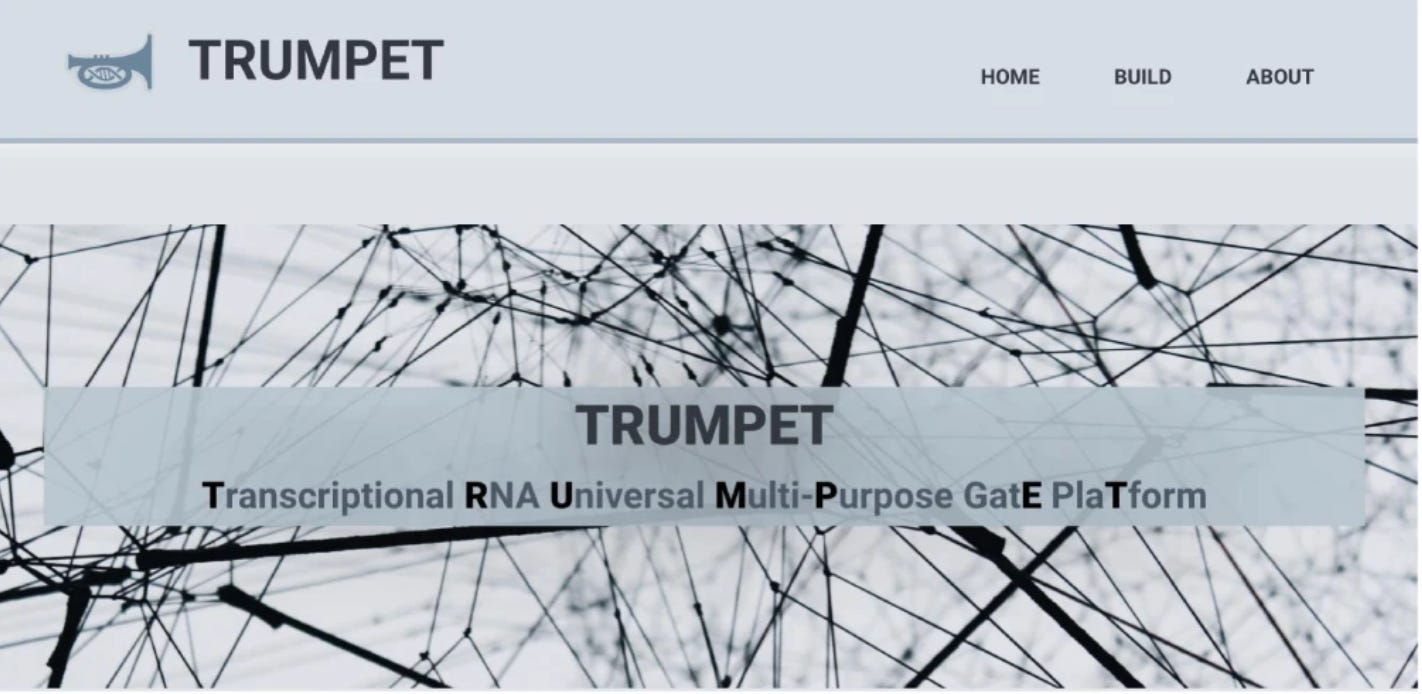
Researchers from the University of Minnesota have published a study in Nature Communications introducing a new biocomputing method, Transcriptional RNA Universal Multi-Purpose GatE PlaTform (Trumpet), which leverages biological enzymes as catalysts for DNA-based molecular computing. This innovative approach has the potential to address challenges in interfacing traditional computer hardware with living organs, a significant limitation in the development of medical devices.
Biocomputing has been typically conducted using live cells or non-living, enzyme-free molecules. While live cells offer self-sustenance and healing capabilities, they are difficult to repurpose for computation. Conversely, non-living molecules provide a simpler solution but suffer from weak output signals and difficulties in regulation.
The Trumpet platform, however, combines the simplicity of molecular biocomputing with enhanced signal amplification and programmability. The researchers demonstrated that the platform is capable of encoding all universal Boolean logic gates (NAND, NOT, NOR, AND, and OR), which are fundamental to programming languages. These logic gates can be stacked to create more complex circuits. Additionally, the team developed a web-based tool to facilitate the design of sequences for the Trumpet platform.
Co-author Kate Adamala, an assistant professor in the College of Biological Sciences, explains that Trumpet is a non-living molecular platform, avoiding many of the problems associated with live cell engineering. This provides the platform with greater stability and reliability, as well as overcoming leakage issues commonly found in live cell operations.